Improving Forward Booking & Capacity Visibility
Unified appointment data from nine systems to build a scheduling intelligence platform that revealed demand, cancellations, and staff utilization across hundreds of clinics.
The Challenge
A multi-location healthcare organization struggled to manage appointment demand and clinical capacity across its network. Scheduling decisions were largely reactive. Operators lacked visibility into future demand, cancellation patterns, and clinician utilization. The challenge was compounded by fragmented data. Appointment status information was spread across hundreds of locations and nine different systems, each using inconsistent definitions and formats. Leadership had no reliable view of scheduling performance across clinics. At the same time, the organization had no standardized definition of forward booking, making it difficult to measure how effectively clinics were filling future appointment slots or managing clinician workloads.
Our Approach
We consolidated and standardized appointment status data from nine operational systems to create the organization’s first unified view of scheduling performance. On top of this foundation, we developed an appointments and capacity analytics platform providing both real-time and forward-looking visibility into: • forward booking levels • no-show and cancellation rates • appointment demand patterns • staff utilization across clinics The platform delivered both a network-level executive view and a detailed operational view. Leadership could monitor scheduling performance across the network, while clinic teams could drill down to client-level appointment records to identify clients who had cancelled appointments or had not scheduled future visits. In parallel, we worked with leadership to establish a clear operational definition of forward booking, aligning the metric with the organization’s goals of increasing visits, maximizing clinic capacity, and maintaining sustainable clinician workloads.
The Result
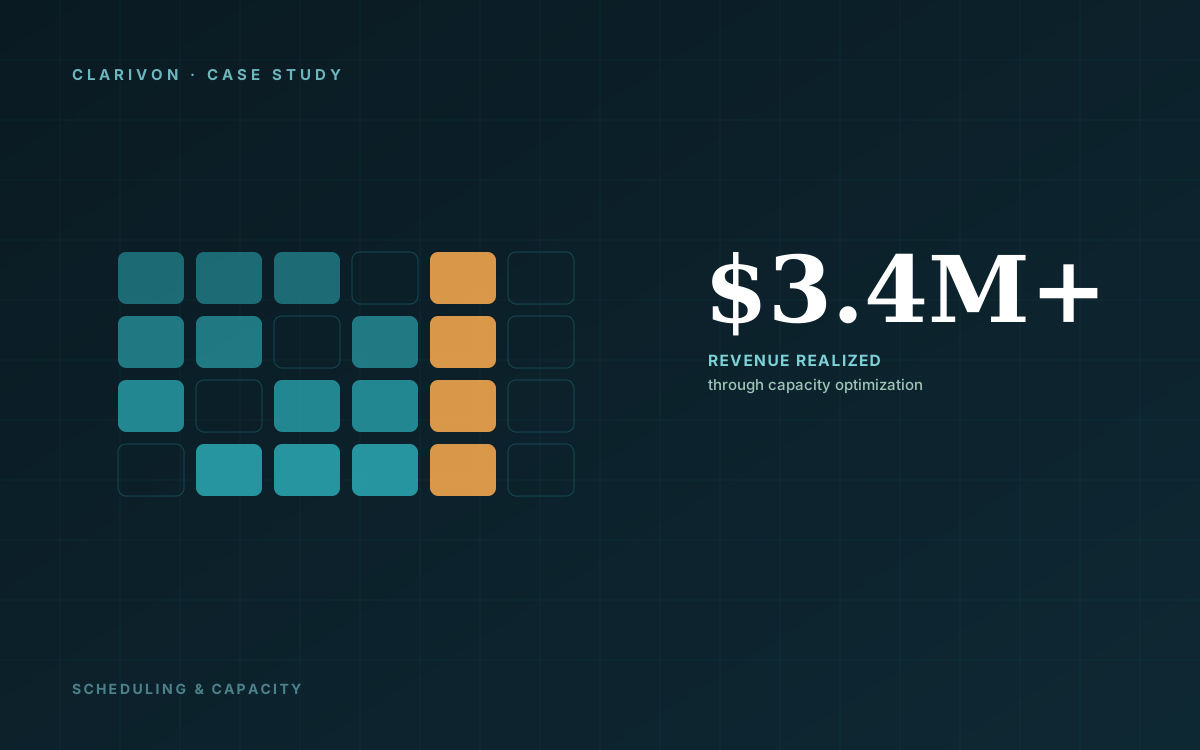
Scheduling shifted from a fragmented operational challenge to a proactive capacity management capability. Leadership gained clear visibility into demand patterns across the network and the ability to act earlier on capacity gaps. The initiative enabled: • $3.4M revenue uplift realized within one quarter • unified scheduling data across nine systems • proactive outreach to clients who cancelled or had not forward booked • improved visibility into demand, cancellations, and clinician utilization What had previously been a reactive scheduling process became a data-driven framework for managing clinic capacity and growth.